

Creating an impressive resume is essential for landing a job interview, and crafting the perfect bullet points is a crucial aspect of this process. Bullet points serve to concisely present your relevant experiences and achievements, making it easy for potential employers to quickly understand your value. But just how many bullet points should you include per job on your resume? In this article, we will explore the ideal number of bullet points to include, how to tailor them for each job, and tips for making them stand out.
The Rule of Thumb: Quality Over Quantity
The general rule of thumb is to include 3-5 bullet points for each job on your resume. However, it is important to emphasize that quality should always be prioritized over quantity. It’s better to have fewer, more impactful bullet points than a long list of less significant achievements.
Factors to Consider
- Relevance: The number of bullet points you include should be proportional to the relevance of the job to the position you are applying for. If the job is closely related to the desired role, you may want to include more bullet points to showcase your relevant skills and experience. Conversely, if the job is not directly related, fewer bullet points might suffice.
- Years of Experience: The duration of your employment at a particular job can also impact the number of bullet points to include. For a job where you have worked for several years, it is reasonable to have more bullet points to demonstrate your growth and achievements over time. For a shorter tenure, you may want to limit the number of bullet points.
- Job Level: The level of the job in your career hierarchy also plays a role in determining the number of bullet points. For higher-level or more significant positions, you may want to include more bullet points to demonstrate your leadership and management skills. For entry-level or less significant roles, fewer bullet points may be appropriate.
Tailoring Bullet Points for Each Job
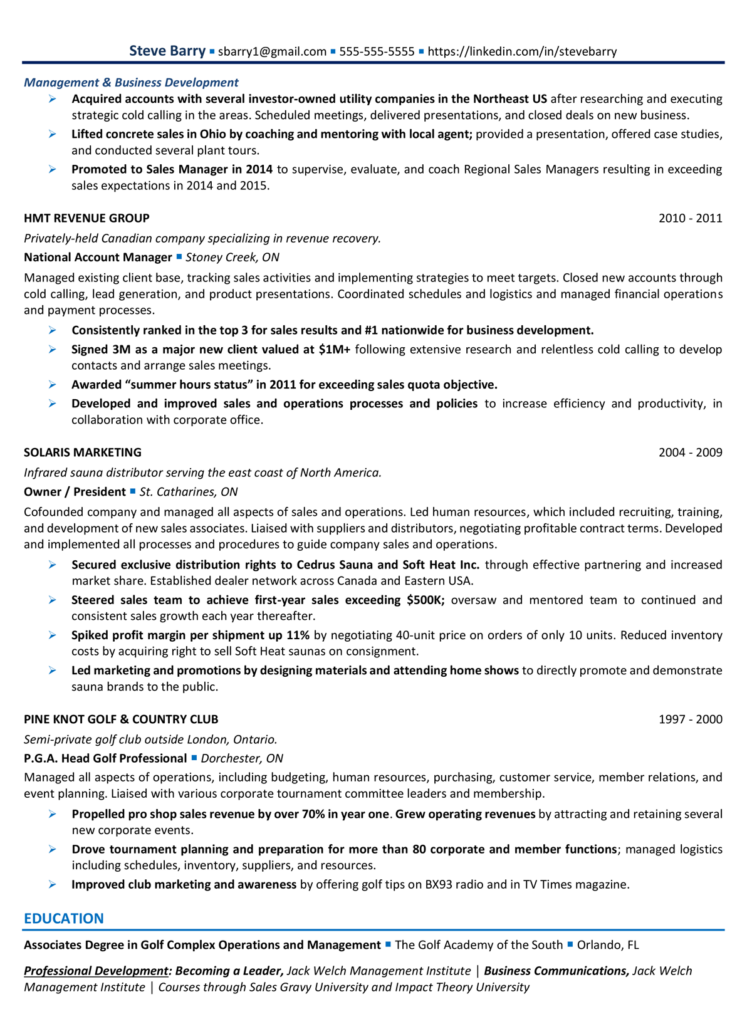
When crafting bullet points for your resume, it is essential to tailor them specifically to each job. This involves:
- Analyzing the Job Description: Carefully read the job description and identify the key skills, qualifications, and requirements. This will help you understand what the employer is looking for and enable you to create bullet points that highlight your relevant experience.
- Utilizing Keywords: Be sure to incorporate keywords from the job description in your bullet points. This not only helps demonstrate your suitability for the role but also increases the chances of your resume being noticed by applicant tracking systems (ATS).
- Focusing on Achievements: Rather than merely listing your job responsibilities, focus on your achievements and the impact you made in each role. This will help you stand out from the competition and show potential employers the value you can bring to their organization. Below is an example:
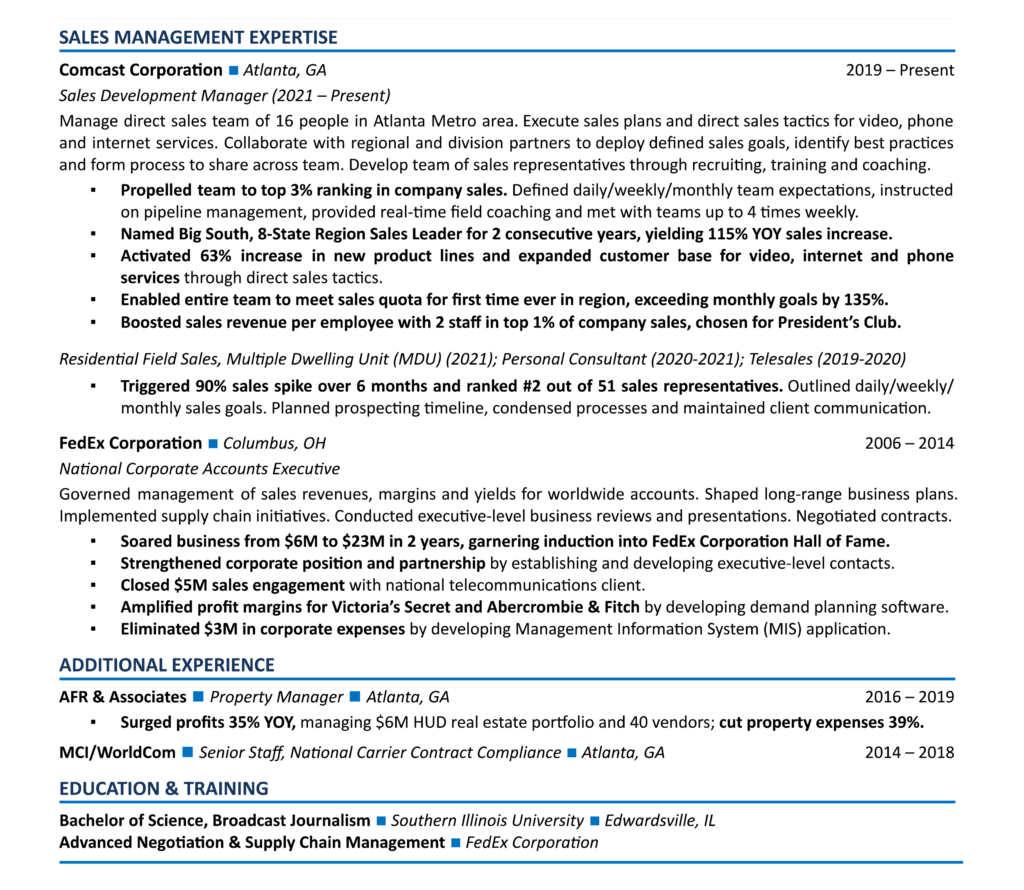
Tips for Writing Effective Bullet Points
- Start with Action Verbs: Begin each bullet point with a strong action verb that conveys your accomplishment (e.g., “Managed,” “Led,” “Created”). This helps to create a more dynamic and engaging impression.
- Quantify Your Achievements: Whenever possible, include quantifiable data to support your accomplishments (e.g., “Increased sales by 20%” or “Reduced customer complaints by 15%”). This adds credibility to your claims and helps employers better understand your impact.
- Keep it Concise: Aim for short, concise bullet points that are easy to read and understand. Limit each bullet point to one or two lines to ensure your resume remains visually appealing and digestible.
Conclusion
These are just a few examples of how you can use bullet points to highlight your skills and accomplishments on your resume. By following the tips above, you can write bullet points that will help you land the job you want. In summary, the ideal number of bullet points per job on your resume should range from 3-5, depending on the relevance, years of experience, and job level. Remember to prioritize quality over quantity.

