






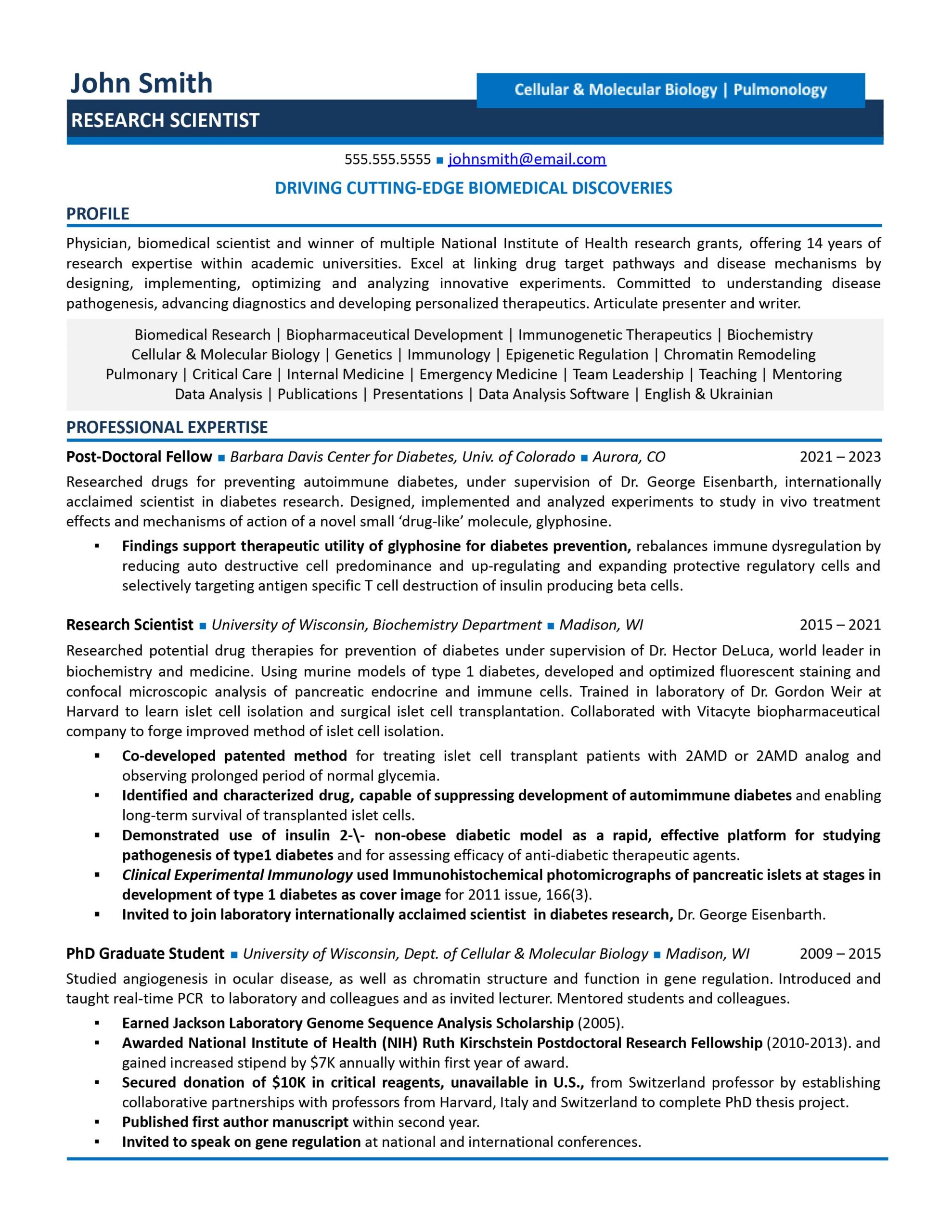
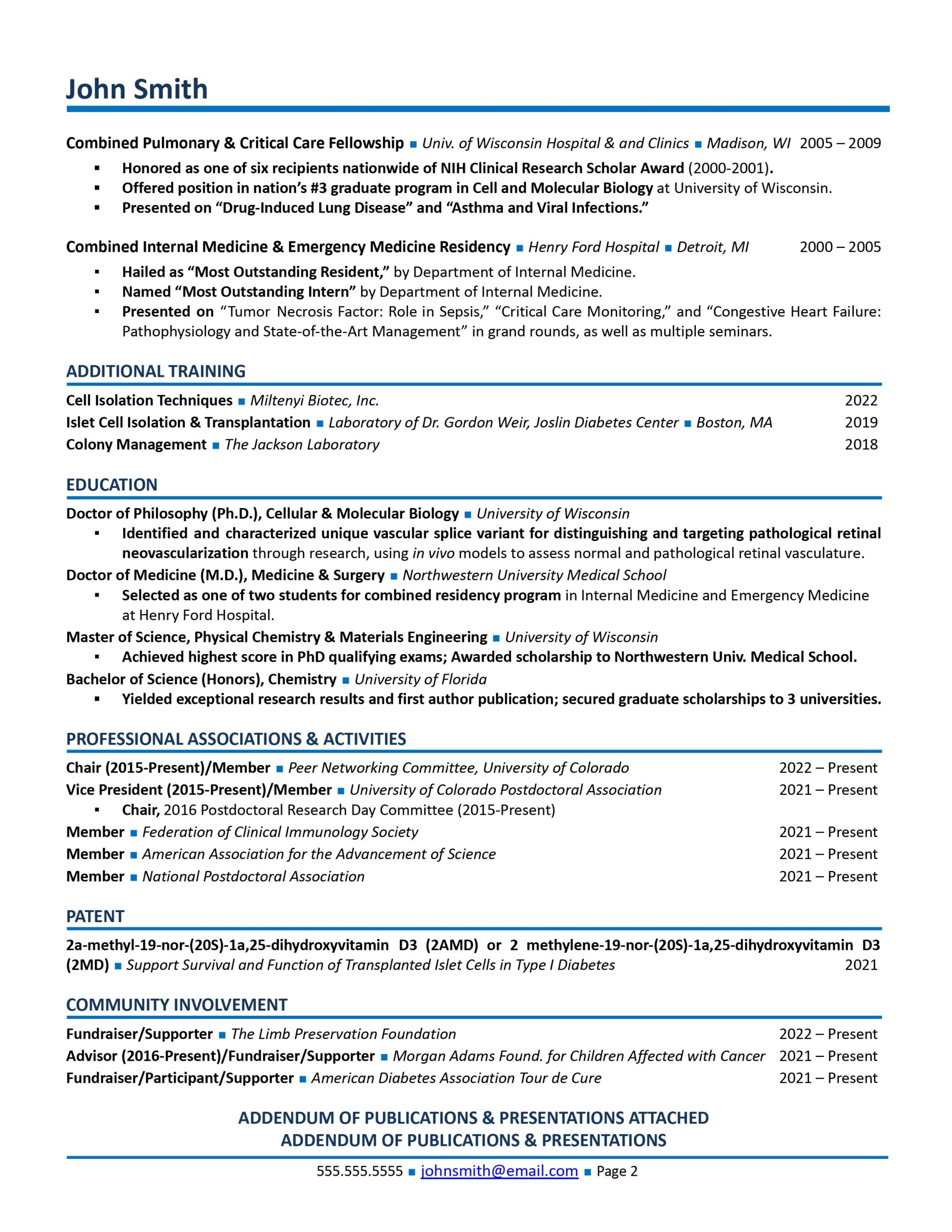
l. Research Scientist Resume Sample
Position Yourself Ahead of Other Candidates!
We partner with senior leaders to position them for high-impact opportunities - through a strategically crafted, ATS-optimized executive resume and by managing your entire job search end-to-end.
Book a 20-minute confidential call to speak directly with Arno Markus, Former Executive Recruiter and 32X Award-Winning Resume Writer
Related Resume Samples:
Request a Consultation from an Award - Winning Recruiter and Resume Writer
(Board C-Level VP, Director & Mid - Career Professionals)
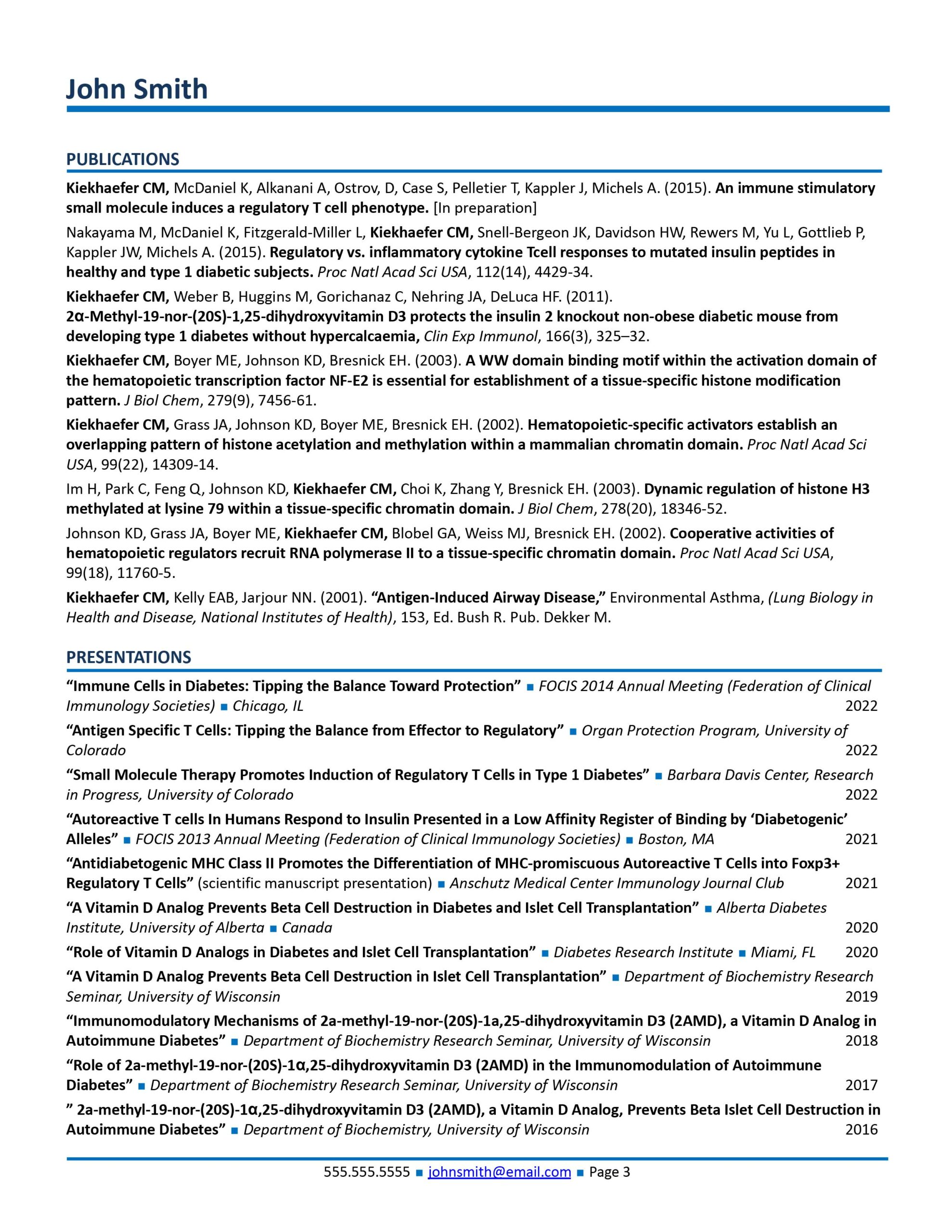
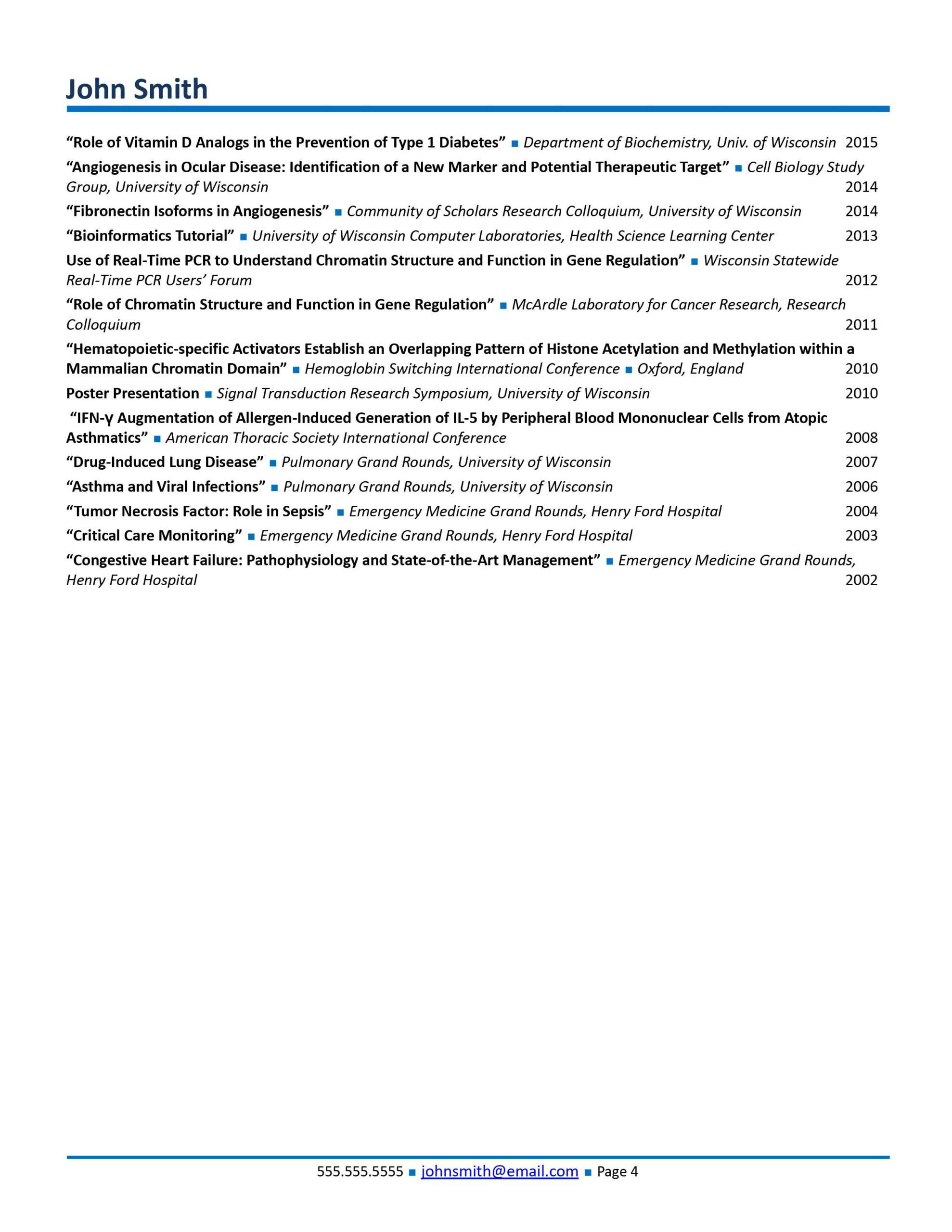
How to Write Research Scientist Resume
As a research scientist, your resume serves as a reflection of your meticulousness, your achievements, and the depth of your scientific knowledge. Given the competitive nature of scientific roles, it’s vital that your resume not only provides a clear snapshot of your qualifications but also stands out in a sea of applications. This article presents a comprehensive guide on how to craft a research scientist resume that captivates and communicates your worth.
This means focusing on skills that are relevant to their industry and company. Discuss your skills and abilities in each area of expertise. Include both technical skills and soft skills such as leadership, communication, and teamwork. nclude any awards or recognition that you have received for your work, as well as any other notable achievements (e.g., patents).
A reverse chronological format is most appropriate for a Research Scientist or other position with a high number of years of experience. A reverse chronological resume includes the header with your updated contact details, professional resume summary, work experience, and additional skills and education sections. It should also include your most impressive achievements and honors. Reverse chronological resumes can help you win the approval of Reed Hastings and earn an interview.
Different Sections in CEO Resume are:
- Header
- Summary
- Work Experience
- Skills
- Education
- Additional Section
Industry Stats
According to the U.S. Bureau of Labor Statistics (BLS), the employment of top executives is projected to grow 6% from 2021 to 2031, which is about as fast as the average for all occupations.
Select the Right Resume Format
Choosing the right resume format is crucial to presenting your experience and skills effectively. There are three main resume formats to consider:
- Chronological: This format lists your work experience in reverse chronological order, focusing on your career progression. It is ideal for chief executive officer with a steady career path in the same industry.
- Functional: This format emphasizes your skills and achievements rather than your work history. It can be useful for those with career gaps or transitioning to a research scientist role from a different field.
- Hybrid/Combination: This format combines elements of both chronological and functional formats, highlighting relevant skills and achievements while showcasing your work experience. It is suitable for research scientist with diverse backgrounds and experiences.
Powerful Summary for Research Scientist Resume
Driven and innovative research scientist with over 8 years of experience in molecular biology and genomics. Demonstrated expertise in designing and executing experiments, analyzing complex datasets, and contributing to peer-reviewed publications. Proven track record of securing grants and collaborating cross-functionally with multidisciplinary teams. Passionate about leveraging data-driven insights to solve real-world challenges, advance scientific understanding, and contribute to impactful discoveries. Seeking a collaborative environment to further expand research horizons and drive advancements in the field.
Have a look at Sample Research Scientist Resume Summary Below:
Research Scientist Resume Summary Example l
Wrong
“Research scientist with computational skills. Over 6 years of experience. Demonstrated the ability to handle large datasets. Adept at bridging the gap between bench science and big data analytics.”
Right
“Biomedical research scientist with a unique blend of lab and computational skills. Over 6 years of experience in integrating experimental findings with data-driven approaches, utilizing tools such as Python, R, and SQL. Demonstrated the ability to handle large datasets, develop algorithms, and draw actionable insights. Adept at bridging the gap between bench science and big data analytics.”
Research Scientist Resume Summary Example ll
Wrong
“Detail-oriented molecular biologist, recently graduated. Skilled in modern lab. Demonstrated ability in executing detailed experiments. Eager to contribute to a dynamic research team and translate academic training into practical discoveries.”
Right
“Energetic and detail-oriented molecular biologist, recently graduated with a Master’s in Molecular Biology from XYZ University. Skilled in modern lab techniques, including PCR, gel electrophoresis, and CRISPR-Cas9. Demonstrated ability in executing detailed experiments and analyzing results during academic projects. Eager to contribute to a dynamic research team and translate academic training into practical discoveries.”
Showcase Your Core Competencies
In the competitive realm of research science, it is essential for professionals to differentiate themselves from the masses. One key section of a research scientist’s resume that can serve as a distinctive factor is the “Core Competencies” segment. While this section might seem straightforward, when utilized effectively, it can serve as a powerful tool to succinctly convey a candidate’s specialized skills and attributes.
Core competencies refer to a combination of knowledge, skills, abilities, and personal attributes that one harnesses to produce outstanding results in their field. For research scientists, this translates into those skills and knowledges that are central to conducting meaningful research, analyzing complex data, and driving scientific advancements.
Importance:
- Initial Scans: Hiring managers often skim resumes initially. A clearly defined core competencies section can quickly communicate your strengths.
- ATS Systems: Many organizations use Applicant Tracking Systems (ATS) to screen resumes. A well-articulated list of competencies can increase the chances of your resume being shortlisted by matching keywords specified in job descriptions.
- Targeted Messaging: It allows candidates to tailor their resumes, emphasizing competencies that are particularly relevant to the job role they’re applying for.
Structure:
1. Start with Broad Categories: Begin by identifying broad categories that encompass your skills. For a research scientist, this might include “Laboratory Skills,” “Data Analysis,” “Project Management,” and “Collaborative Research.”
2. Specify Within Categories: Under each broad category, list specific competencies.
- Laboratory Skills: PCR, Mass Spectrometry, Cell Culture Techniques
- Data Analysis: MATLAB, Python, Statistical Modelling
3. Be Honest: Only list competencies that you’re genuinely proficient in. Misrepresenting skills can lead to challenges in the job role or during interviews.
4. Prioritize Relevant Competencies: If applying for a genomics position, highlight competencies related to genetic sequencing or bioinformatics tools over unrelated laboratory skills.
Examples:
- Technical Expertise: Electron microscopy, Flow cytometry, HPLC
- Computational Tools: R, Python, Bioconductor
- Research Design: Experimental design, Control setup, Hypothesis testing
- Data Handling: Big data analysis, Data visualization, Quantitative analysis
- Soft Skills: Team collaboration, Effective communication, Problem-solving
The core competencies section complements other parts of your resume:
- Experience: The competencies should reflect skills and expertise that you’d have obtained through your listed experiences.
- Education: Some competencies might stem from specialized courses or training during your academic journey.
Tailoring for Different Positions
Given the varied nature of research scientist roles, it’s crucial to adapt the core competencies section:
- Academic Roles: Emphasize competencies in independent research, grant writing, and perhaps teaching or mentoring.
- Industry Roles: Highlight skills relevant to product development, collaborative projects, or any industry-specific tools or methods.
- Interdisciplinary Roles: If the role straddles two fields (e.g., bioinformatics), ensure competencies reflect expertise in both areas.
Position Yourself Ahead of Other Candidates!
We partner with senior leaders to position them for high-impact opportunities - through a strategically crafted, ATS-optimized executive resume and by managing your entire job search end-to-end.
Book a 20-minute confidential call to speak directly with Arno Markus, Former Executive Recruiter and 32X Award-Winning Resume Writer
Detail Your Work Experience
The work experience section is arguably the most significant part of a research scientist’s resume. While qualifications and skills lay the groundwork, it’s the professional experience that truly illustrates a candidate’s capabilities. To make a powerful statement, this section should be more than a mere listing of previous roles. It should paint a clear picture of accomplishments, contributions, and the breadth of expertise. This article delves deep into how to effectively showcase your work experience as a research scientist.
Why Experience Section Matters
- Demonstrates Expertise: Provides tangible evidence of your knowledge and skills in practice.
- Showcases Growth: Highlights career progression, increasing responsibilities, and expanding expertise.
- Proves Consistency: Reveals a history of dedication, commitment, and meaningful contributions to the field.
Laying the Groundwork
Before writing, gather necessary information:
- Job Titles and Dates: Exact titles and the duration of each position.
- Key Responsibilities: Primary tasks, projects, and objectives.
- Achievements: Successful projects, publications, patents, or any notable recognitions.
- Collaborations: Any significant interdisciplinary or team projects.
Structuring the Work Experience
1. Chronological Order: Start with the most recent position and work backward. This format showcases your current capabilities and how you’ve evolved.
2. Clear Job Titles: Use the exact title you held, as it offers clarity and can be verified during reference checks.
3. Company/Institution Name and Location: Clearly mention the employer’s name and location, which adds credibility and context.
4. Time Frame: Include both the month and year for the start and end dates of each role.
5. Descriptive Bullet Points: For each position, use bullet points to outline responsibilities and achievements. This structure aids readability and quick scanning.
Crafting Impactful Descriptions
1. Start with Strong Verbs: Use action verbs like “developed,” “led,” “analyzed,” or “collaborated.”
2. Quantify Achievements: Instead of “managed research projects,” say “led a team of 5 researchers in a 2-year project that resulted in 3 peer-reviewed publications.”
3. Highlight Specialized Techniques: For instance, “utilized CRISPR-Cas9 gene editing techniques to investigate…”
4. Mention Collaborations: “Collaborated with cross-functional teams, including biochemists and data scientists, to…”
5. Specify Outcomes: Discuss the impact of your work, such as “contributed to research that resulted in a patent” or “pioneered a methodology now adopted lab-wide.”
Tailoring for Different Roles
1. Industry Positions: Highlight experience related to product development, commercial applications of research, or collaborations with other industry players.
2. Academic Roles: Emphasize independent research, mentorship of junior researchers, grant applications, and teaching roles, if applicable.
3. Government or Non-profits: Mention projects that align with public policy, community engagement, or large-scale research endeavors.
Avoiding Common Pitfalls
1. Being Too Vague: General statements without specifics can be unconvincing. Use details that encapsulate the depth of your experience.
2. Overloading with Information: Avoid mentioning every minor task. Focus on major responsibilities and achievements.
3. Ignoring Soft Skills: Interpersonal skills, leadership, and collaboration are valuable. If a project required these, mention them.
Highlight Your Education and Professional Development
The education and professional development sections on a research scientist’s resume provide the foundational elements of a candidate’s expertise and growth. They act as a testimony to the candidate’s dedication to the field, continual learning, and ability to thrive in academic and professional settings. In a domain as ever-evolving as scientific research, these sections can greatly influence hiring decisions. This article will guide you in meticulously curating and highlighting these crucial resume segments.
Importance:
- Credibility: The educational qualifications determine a candidate’s foundational knowledge in the field.
- Commitment to Growth: Professional development showcases the ongoing efforts made by the scientist to stay updated and relevant.
- Specialization: Both these sections indicate niche areas of expertise or focus, which might be imperative for specialized research roles.
Detailing the Education Section
1. Order of Listing: Begin with the highest degree first and proceed in reverse chronological order.
2. Essential Details: For each degree, mention:
- Degree name (e.g., “Ph.D. in Biochemistry”)
- Institution name
- Graduation date
- Location of the institution
3. Thesis or Research Focus: For advanced degrees, briefly mention the thesis title or research focus. E.g., “Thesis: The Role of Enzymes in Cellular Aging.”
4. Academic Achievements: Include any pertinent honors, awards, or scholarships. E.g., “Graduated Summa Cum Laude” or “Recipient of the XYZ Research Fellowship.”
Showcasing Professional Development
1. Certifications and Courses: List any certifications or specialized courses relevant to the field. E.g., “Certified Data Analyst – Institute of Data Science” or “Advanced Course in Molecular Techniques.”
2. Workshops and Conferences: Mention any significant workshops attended, conferences where you presented, or seminars you’ve been a part of. E.g., “Presented a paper at the Annual Genetics Conference, 2022.”
3. Additional Trainings: Include other forms of training, like hands-on laboratory techniques, software proficiency courses, or leadership training programs.
Tailoring for Different Roles
1. Start with Strong Verbs: Use action verbs like “developed,” “led,” “analyzed,” or “collaborated.”
2. Quantify Achievements: Instead of “managed research projects,” say “led a team of 5 researchers in a 2-year project that resulted in 3 peer-reviewed publications.”
3. Highlight Specialized Techniques: For instance, “utilized CRISPR-Cas9 gene editing techniques to investigate…”
4. Mention Collaborations: “Collaborated with cross-functional teams, including biochemists and data scientists, to…”
5. Specify Outcomes: Discuss the impact of your work, such as “contributed to research that resulted in a patent” or “pioneered a methodology now adopted lab-wide.”
Tailoring for Different Roles
1. Academia-focused Roles: Highlight academic achievements, teaching roles, or any educational contributions, such as curriculum development or student mentorship.
2. Industry-based Positions: Emphasize courses or certifications that align with the industry’s demands, such as specific laboratory techniques, regulatory affairs courses, or patent law certifications for scientists involved in product development.
3. Interdisciplinary Roles: For positions that bridge various disciplines (e.g., computational biology), ensure that courses or trainings from both domains are evident.
Best Practices and Pitfalls to Avoid
1. Relevance is Key: While it’s impressive to have a plethora of courses, ensure they’re relevant to the role you’re applying for. A course in graphic design might not be pertinent to a molecular biologist’s role.
2. Avoid High School Details: For individuals with advanced degrees, mentioning high school education is typically redundant unless there’s a compelling reason.
3. Be Honest: Only list courses, workshops, or certifications you’ve genuinely completed. Avoid exaggeration.
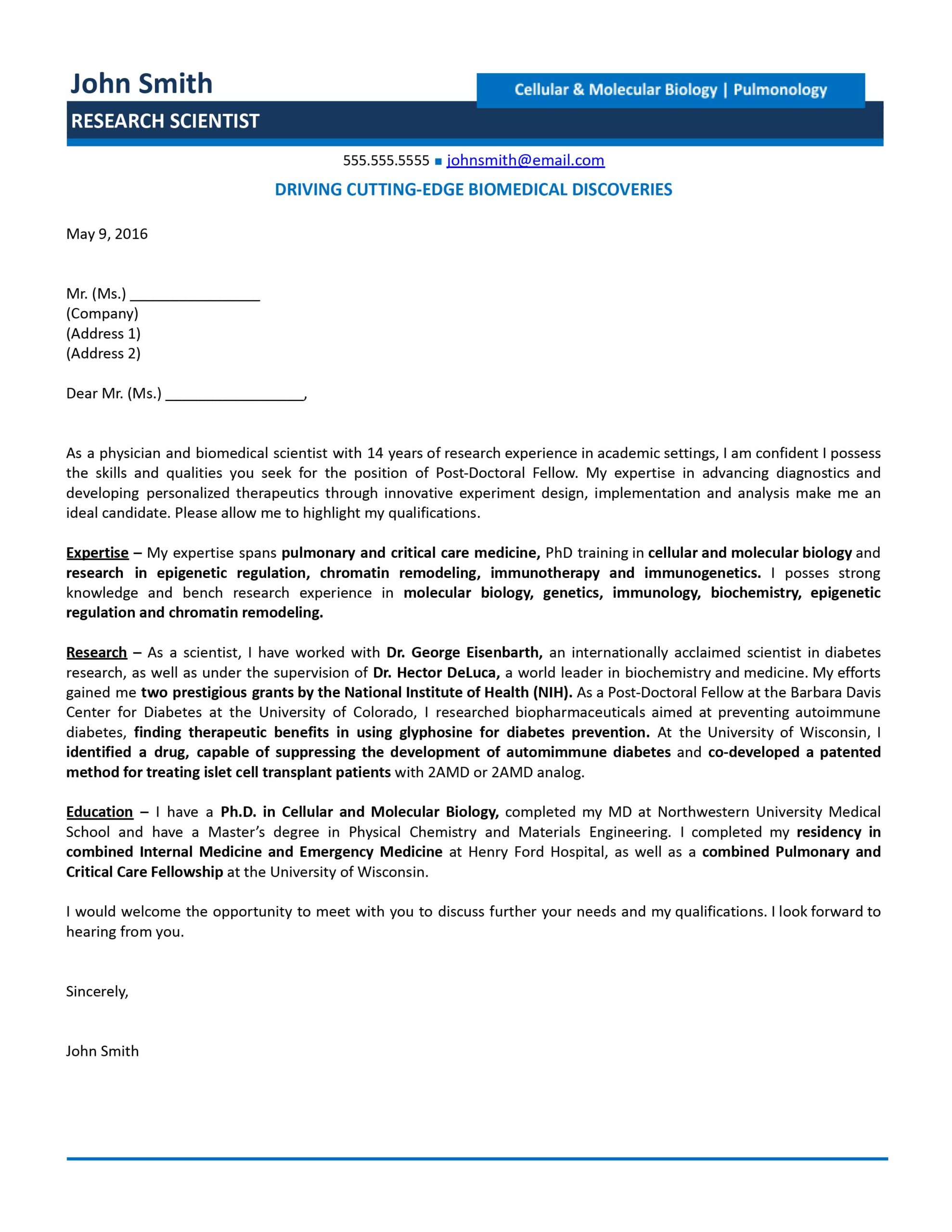
Include Cover Letter for Research Scientist Position
A cover letter, when tailored specifically for a research scientist position, can be a potent tool in your job application arsenal. While your resume provides a snapshot of your qualifications, the cover letter offers a deeper insight into who you are, your motivations, and what you bring to the table. This article will guide you in crafting a cover letter that stands out and resonates with hiring managers.
Position Yourself Ahead of Other Candidates!
We partner with senior leaders to position them for high-impact opportunities - through a strategically crafted, ATS-optimized executive resume and by managing your entire job search end-to-end.
Book a 20-minute confidential call to speak directly with Arno Markus, Former Executive Recruiter and 32X Award-Winning Resume Writer