







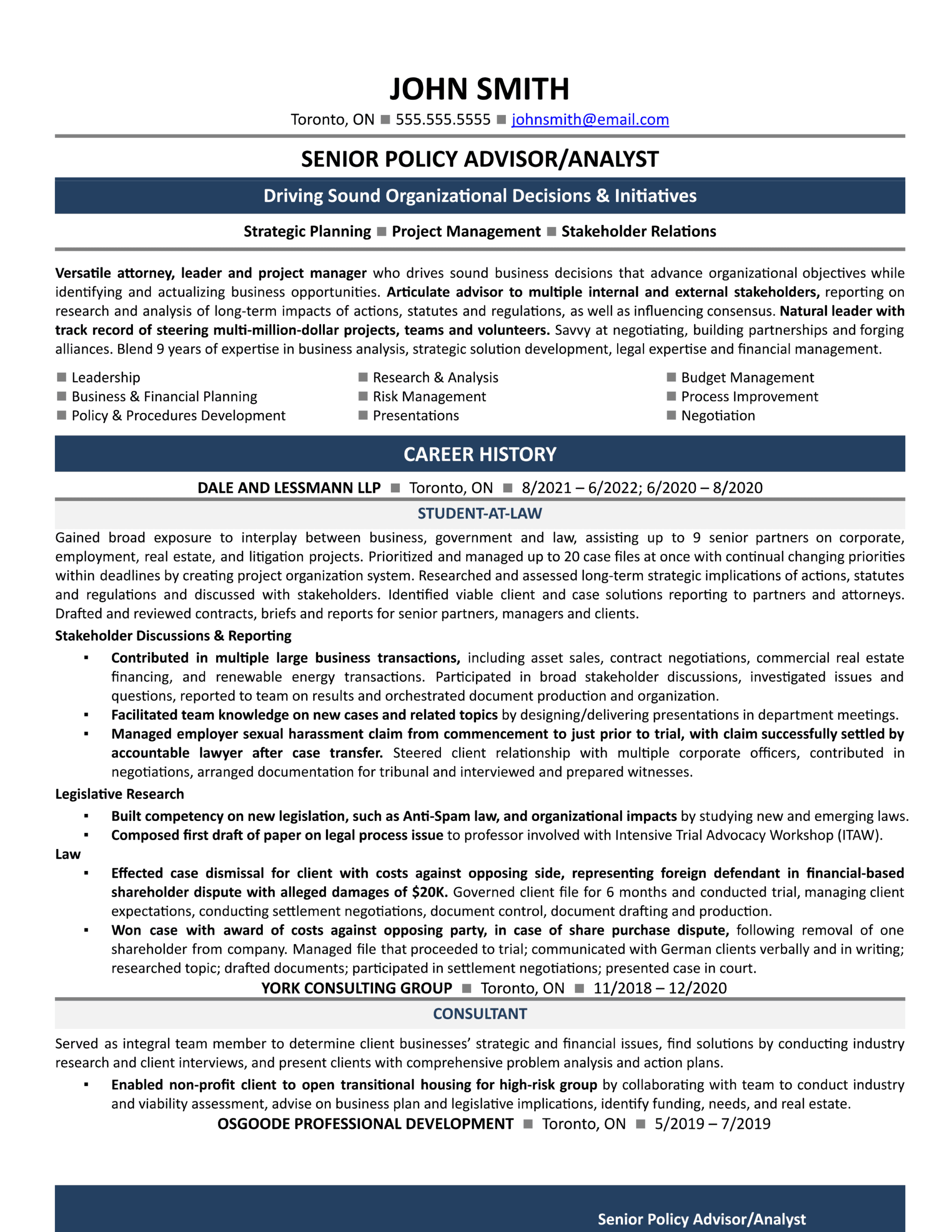
Policy Analyst Resume Example I
Position Yourself Ahead of Other Candidates!
We partner with senior leaders to position them for high-impact opportunities - through a strategically crafted, ATS-optimized executive resume and by managing your entire job search end-to-end.
Book a 20-minute confidential call to speak directly with Arno Markus, Former Executive Recruiter and 32X Award-Winning Resume Writer
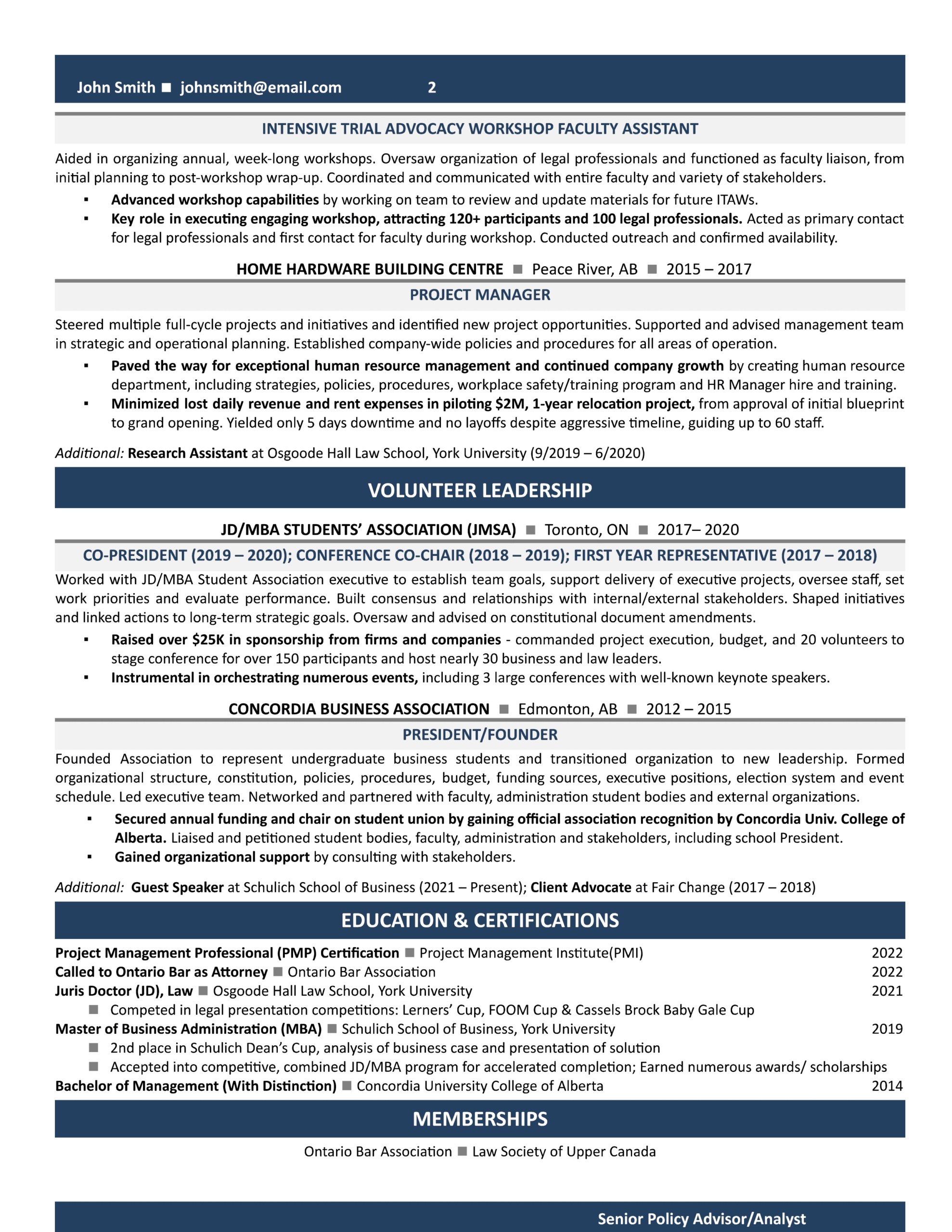
Policy Analyst Resume Example II
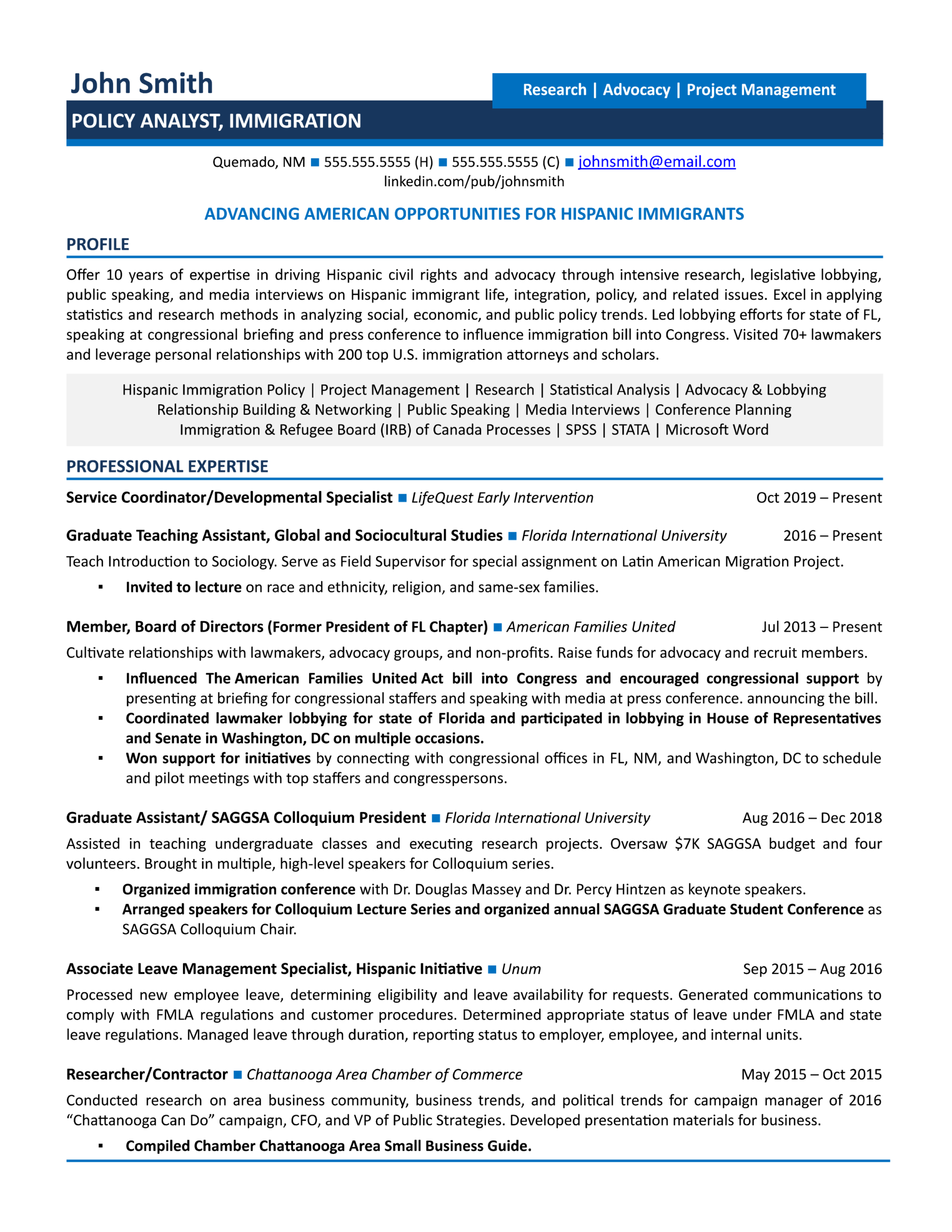
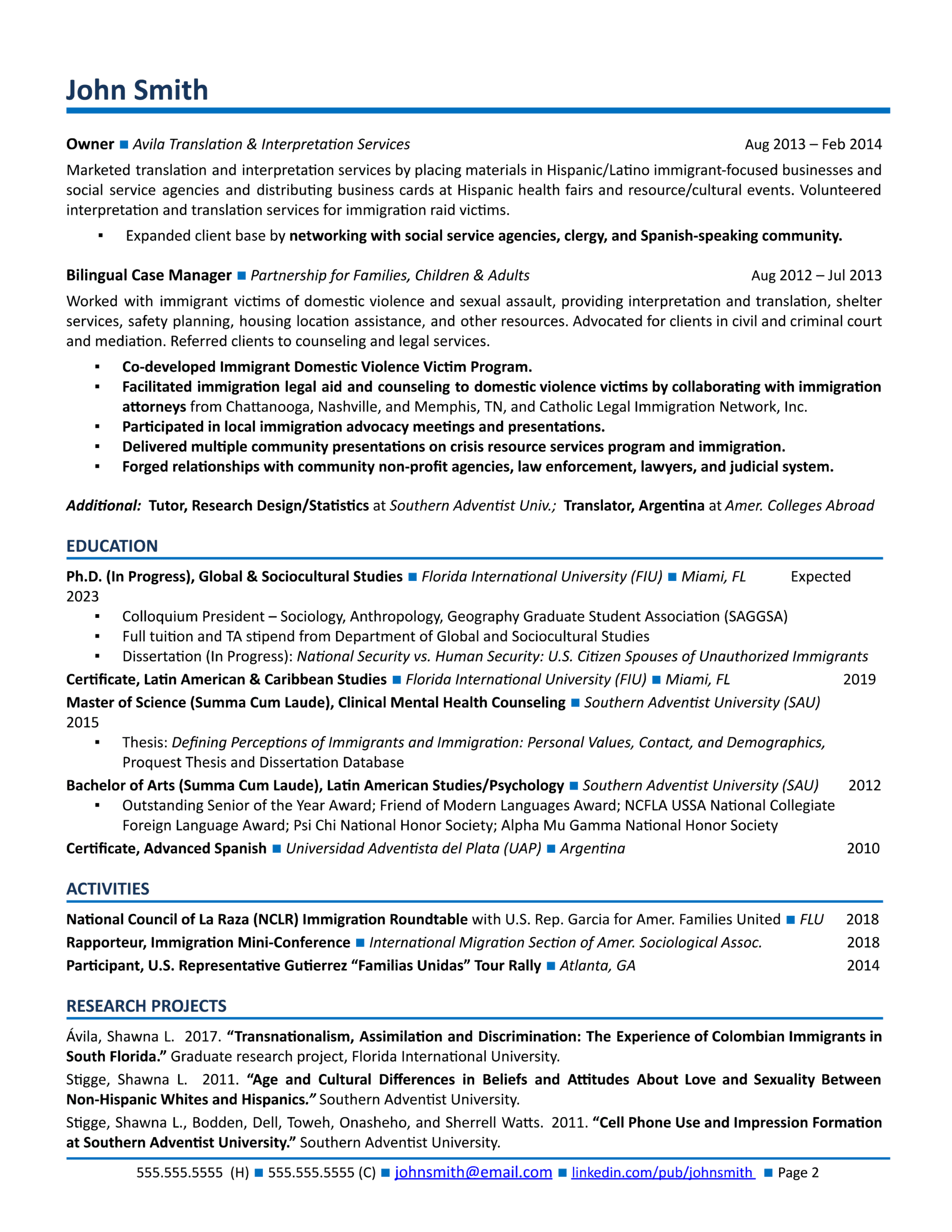
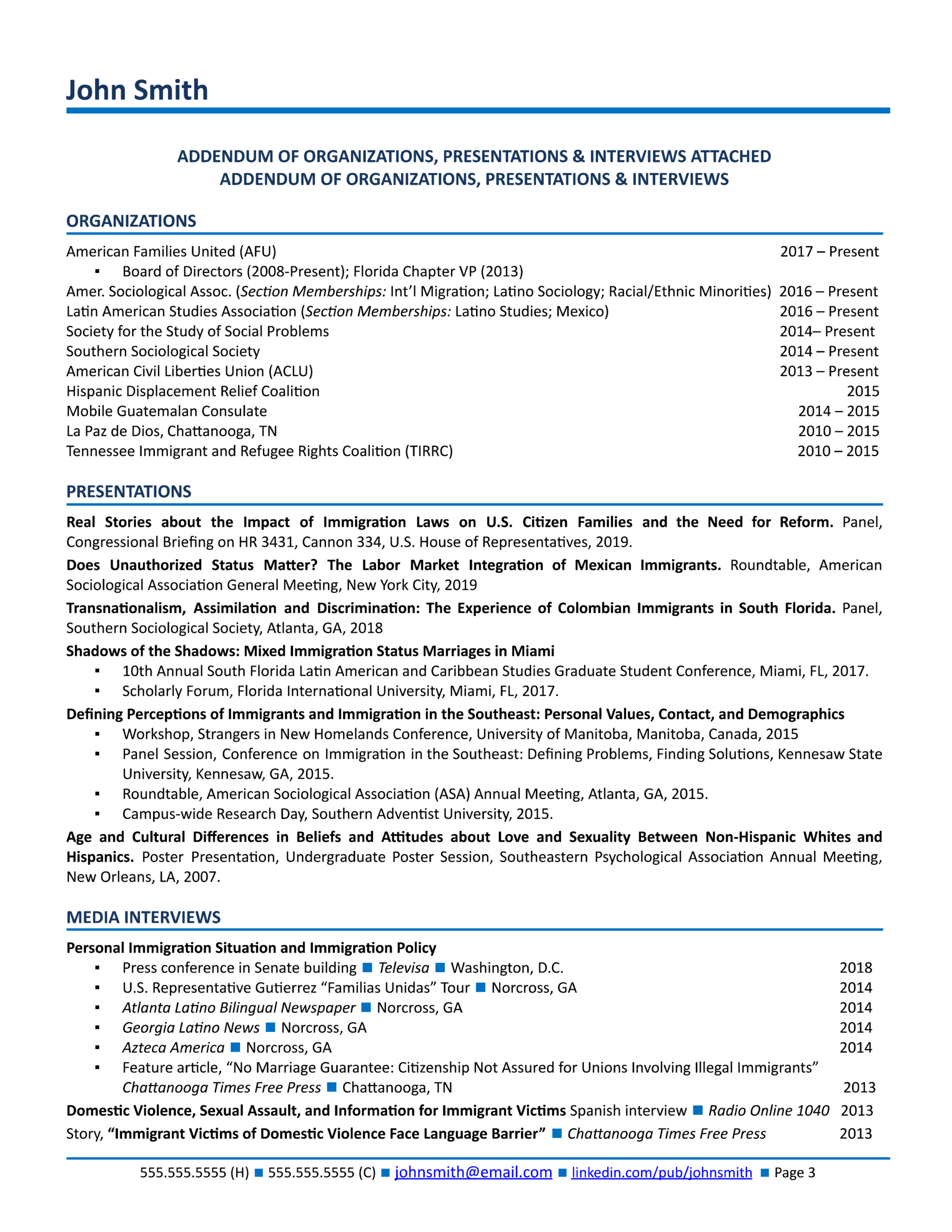
Position Yourself Ahead of Other Candidates!
We partner with senior leaders to position them for high-impact opportunities - through a strategically crafted, ATS-optimized executive resume and by managing your entire job search end-to-end.
Book a 20-minute confidential call to speak directly with Arno Markus, Former Executive Recruiter and 32X Award-Winning Resume Writer
Related Resume Samples:
Request a Consultation from an Award - Winning Recruiter and Resume Writer
(Board C-Level VP, Director & Mid - Career Professionals)
Policy Analyst Resume Format
When you’re writing a resume for a policy analyst position, it’s important to keep the format simple. A clean, consistent layout will help your resume stand out from other applicants’ resumes and make it easier for recruiters to skim through.
The most important parts of your policy analyst resume are the header and summary sections. These should include:
- Your name and contact information: Create a header with your name and contact info. Make sure to include your full name, email address, phone number (with area code), address, city, and state where you live now or want to move if relocating for employment purposes (this may be optional depending on how far away from home you need to relocate)
- A professional summary: Keep it short and sweet. Policy analysts need to be able to get right into their work, so don’t waste their time with long sentences or complex grammar structures. be concise; anything longer than three sentences will probably be too much information for most readers’ tastes! Also, make sure you use active language (e.g., “I can…” instead of “I was”)—you’ll sound more confident that way!
- Education: The next section of your resume should be dedicated to education. This is where you list all the schools you’ve attended, including graduation dates, degrees and majors, honors and awards received, and minors if applicable.
- Experience Highlights: Write your recent experience in chronological order. What did you do in each particular position? What were your responsibilities?
- Achievements: Add any additional achievements you had so far!
Industry Stats
According to the U.S. Bureau of Labor Statistics (BLS), the employment of top executives is projected to grow 6% from 2021 to 2031, which is about as fast as the average for all occupations.
Policy Analyst Skills and Qualifications
Policy analysts are expected to complete an undergraduate degree in politics or public affairs. Along with the degree, policy analysts should have:
Analytical skills
Policy analysts analyze various issues, policies and other related information and use their knowledge to come up with solutions. They need to be able to evaluate the data carefully and make recommendations based on this analysis.
Communication skills
Policy analysts need to be able to communicate clearly and effectively with others. They must be able to explain the findings of their analysis in a way that is easily understood by their audience. They also need to be able to write reports that are concise and easy-to-read while still conveying their message clearly and understandably.
Management skills
Some policy analysts are responsible for managing projects from start to finish, from planning the work schedule through completion of research or analysis and writing reports about their findings. Others may only manage part of a project or simply supervise staff members who are responsible for completing portions of a project independently without supervision from above. Either way, good management skills are necessary so managers can delegate tasks appropriately among team members, set deadlines for each task, monitor progress on each task regularly throughout its duration
Flexibility and creativity
Policy analysts must be flexible enough to adapt to changing circumstances in order to make their analysis more relevant to the real world situation. They must also be creative enough to come up with new ideas and solutions when they encounter problems while working on an issue related project
What policy analysts do?
Policy analysts perform a wide range of tasks, including:
- Reviewing existing policies and legislation to determine how they are working and what impact they have had on the company or agency.
- Evaluating proposed policies and legislation for their benefits and flaws.
- Monitoring changes in laws and regulations that may affect the organization’s operations.
- Liaising with stakeholders to understand their needs, concerns, and viewpoints. This may involve conducting surveys or holding focus groups with employees or customers. The analyst will then use this information as part of their recommendations for new policies or legislation.
- Gathering data from various sources such as reports, databases, and websites, which could include statistics about crime rates or environmental issues in your area of expertise. You will need to analyze this data carefully so that it can be used effectively in your report or presentation. You may also need to integrate this information into charts or graphs that highlight key points from your research findings.
Position Yourself Ahead of Other Candidates!
We partner with senior leaders to position them for high-impact opportunities - through a strategically crafted, ATS-optimized executive resume and by managing your entire job search end-to-end.
Book a 20-minute confidential call to speak directly with Arno Markus, Former Executive Recruiter and 32X Award-Winning Resume Writer
Policy Analyst Salary
As per payscale, the average salary for a Policy Analyst is $61,309. Entry level policy analysts earn about $51,302 per annum while the expert earns nearly $93,500 each year based on their experience.
New Graduate, Policy Analyst Resume Example of a resume written for a recent graduate with a Bachelor of Arts in Political Science, targeting a policy analyst role. This Policy Analyst resume sample demonstrates metrics-driven accomplishments in related internships.
Tips for VP of Sales resume: Stand out from the crowd
There are a few key things that you can do to make your VP of Sales resume stand out from the rest:
- Tailor your resume to match the requirements of the role
- Use Correct Resume Format
- Write ATS Friendly Resume
- Use Reverse Chronological Format
- Highlight your leadership and management experience
- Make sure your resume doesn’t have any spelling or grammar mistakes. Avoid Resume Mistakes
- Create a Targeted Cover Letter